Featured
Table of Contents
Treatment can't make all of life's challenges vanish, but it can assist you start responding to difficult people or circumstances in much healthier, extra effective ways.
Advancement in therapy is always a positive indication. It suggests you're enhancing and moving on, and it reaffirms that you're being sustained where you are currently, not where you were when you began. Achieving your initial goals and setting new ones with your therapist demonstrates real momentum in your healing trip.
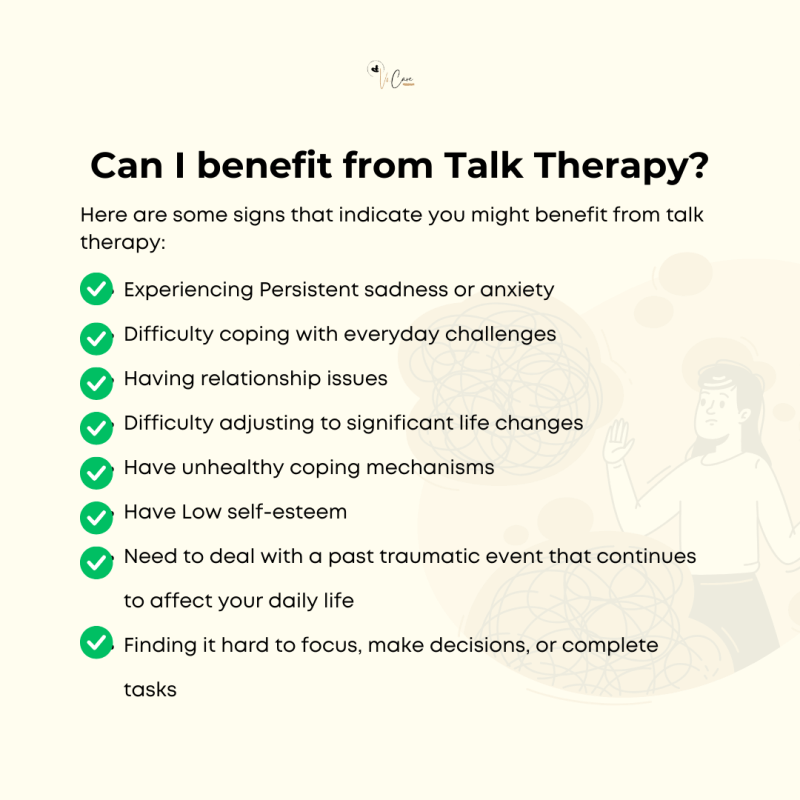
Progression in therapy is rarely, if ever before, linear. This means points won't constantly take place in a straight line or in a foreseeable method. You could have obstacles, regressions, or challenging minutes in the process, but it is essential to keep in mind that these become part of the procedure, not an indication of failing.
Are you taking into consideration treatment yet are not sure how frequently you should go to sessions? In this write-up, we will check out the inquiry: Exactly how frequently should you participate in therapy sessions?
Attainable Support for the Washington, DC Community
At Depth Counseling, we use lasting psychodynamic psychotherapy. Most medical professionals concur that going to represents the minimum level of immersion to see long-term results. The reason is easy: treatment is a method. Just like reflection, yoga, workout, writing, or any kind of various other practice, it requires consistency of immersion with a lot of method to discover and internalize the practice.
This will equip you to make choices that seem like your selections (not simply adaptations to the demands of other individuals). As you discover to determine and navigate the intricacies of your internal globe with of therapy, you will certainly locate better authenticity and creativity in job and in your relationships.
We motivate you to talk with among our therapists to identify the best frequency for you. It is likewise crucial to recognize that, in instances of monetary difficulty, much of our specialists can and will fit a lesser regularity of therapy. Our team believe that it is essential to meet you where you are and to move at the pace you determine, as you get started on this profound journey.
Numerous people go to treatment when a week, and some could also go twice a week if they are taking care of acute distress or have intensive treatment objectives. As they progress, these sessions might end up being much less constant. For those with less pressing problems who just go to therapy for recurring maintenance, bi-weekly and month-to-month sessions are sufficient.
Healing from Inner Critic
There isn't just one element dictating the variety of times one need to most likely to therapy, but numerous different aspects that contribute in determining therapy frequency. These variables can be interior (individual battles, inspirations, and so on) and exterior (therapeutic elements). By recognizing these factors, you will certainly understand why your therapist creates a particular timetable and why that timetable is most suited to your recovery trip.
In such situations, twice-weekly sessions might be called for. Meeting the therapist much more frequently in the early stages of therapy is typically advised. Maybe on a regular or once every two weeks basis, and the factor for this is straightforward: the a lot more you consult with the specialist, the quicker the restorative bond can be developed.
Treatment for Emotional Balance in Washington, DC and Beyond
The regularity of therapy sessions also boils down to what treatments are being used. Different therapy techniques have various session regularity recommendations since some can be extensive while others may not be. Psychoanalysis commonly needs multiple sessions a week, while psychodynamic treatment (what we supply at Depth Counseling) could need simply regular sessions.

Your budget, job timetable, individual schedule, and the distance between your home and the clinic have to all be reviewed with your therapist. This is necessary for setting a therapy routine that keeps you devoted without adding any kind of undue stress and anxiety. Despite the psychological health and wellness condition, going to regular treatment sessions can be beneficial for all those who routinely go to therapy.
Everything Healed From Perfectionism
When treatment sessions are set up at a set period, it enables you and the specialist to create a stronger alliance, which, in turn, generates greater depend on in less time. This produces a safe room where you can refine and discuss your experiences, thoughts, and feelings with your therapist so that they can gain understanding right into your struggles.

As you satisfy your specialist much more frequently, the possibility of concerns going unaddressed, nonetheless tiny, is reduced. With regular weekly follow-ups, the therapist can evaluate the development made and strengthen coping systems and new discoverings regarded necessary for causing lasting modifications. A therapistclient alliance is founded on depend on, and without normal meetings, it can be difficult to construct that count on.
The Effect of Clinical Treatment in Managing Anxiety
When you really feel understood and unconditionally sustained, you can share your ideas, sensations, and struggles without booking. For intimate discussions to stream openly, it is essential to have a favorable atmosphere where individual expression is not suppressed by judgment. One means to create such a safe room is to fulfill your specialist frequently to review your concerns and locate resolutions during the time devoted to you.
It is an important part of psychological healthcare that can have an extensive effect on an individual's general well-being. Figuring out will be needed is an ongoing process that may require modifications in the process. It is vital to take notice of indications that suggest the demand to boost or reduce the.
Discuss your interest in your therapist and explore the opportunity of more extensive treatment. If you discover yourself experiencing boosted distress, heightened symptoms, or a worsening of your psychological health and wellness condition, it may suggest the requirement for even more frequent therapy sessions. Communicate these adjustments to your specialist to make sure that they can change your therapy plan accordingly.

Table of Contents
Latest Posts
Blending of Depth Psychology and Mindfulness for Comprehensive Care
Your Timeline of Healing in Emotionally Focused Therapy
Guiding Family Members Within Solo Journey with Dialectical Behavior Therapy
More
Latest Posts
Blending of Depth Psychology and Mindfulness for Comprehensive Care
Your Timeline of Healing in Emotionally Focused Therapy
Guiding Family Members Within Solo Journey with Dialectical Behavior Therapy